
What is Buckram Fabric? Types, Uses & Applications in Textiles
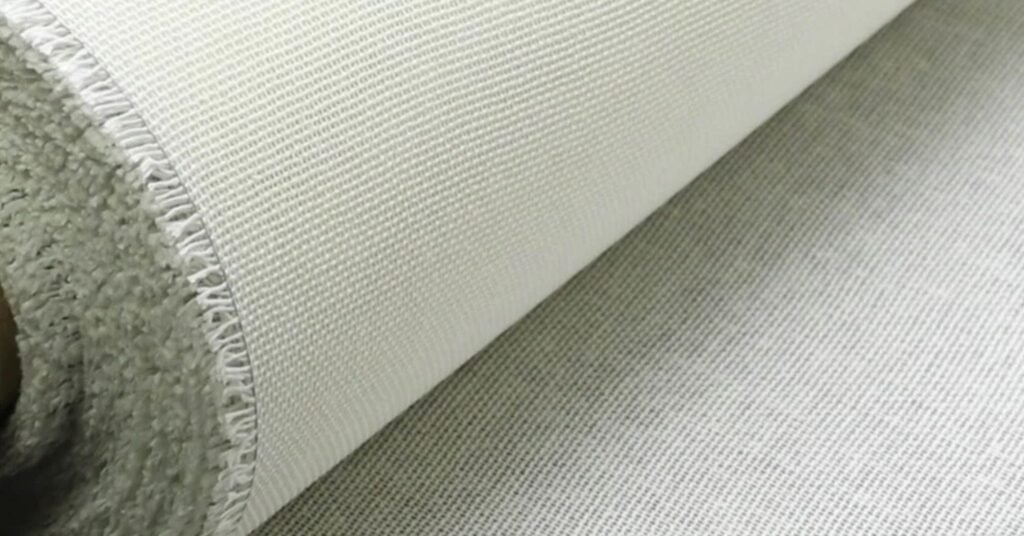
Buckram fabric, often overshadowed by its flashier counterparts, plays a vital role in the world of textiles. This unassuming material might not be the star of the show, but it’s the silent supporter — the behind-the-scenes hero that brings shape and stability to countless projects.
Before you embark on your next sewing adventure, dive into the wonderful world of buckram. This article equips you with everything you need to know about this unique fabric, from its characteristics and uses to the different types available.
What is Buckram Fabric?
Buckram is a stiff, supportive fabric traditionally made from woven cotton or linen. The magic lies in the treatment it receives. Buckram is coated with a special sizing agent, typically starch or resin, that transforms it from a regular fabric into a firm and sturdy material.
This coating grants buckram several key properties:
- Rigidity: Buckram is the go-to choice when you need a fabric to hold its shape.
- Durability: Buckram can withstand wear and tear, making it ideal for long-lasting projects.
- Water Resistance: The coating creates a barrier, protecting the fabric from moisture damage.
- Shape Retention: Buckram can be moulded and shaped when damp and retains that form once dry.
What is Buckram Fabric Used For?
Buckram’s strength and structure make it a versatile material with a wide range of applications:
- Curtain Making: Forms the foundation for crisp and structured curtain headers.
- Millinery: Provides stiffness and structure to hats.
- Bookbinding: Used historically for durable book covers.
- Costuming: Helps create structured elements like collars and bodices.
- Canvases and Art Projects: Offers a sturdy base for creative work.
- Crafting and DIY: Used for stiffened bags, totes, and garment detailing.
Types of Buckram Fabric
Not all buckram is created equal. Here are the two main types:
Sew-in Buckram
This traditional type requires stitching into your project for added stability.
Fusible Buckram
This buckram features a heat-activated adhesive backing, allowing you to iron it directly onto fabric for quicker application.
Choosing the Right Buckram Fabric
When selecting buckram, consider:
- Weight: Lightweight for delicate work, heavyweight for strong structure.
- Colour: Available in white, cream, and other shades.
- Application: Sew-in offers flexibility; fusible offers speed.
Working with Buckram Fabric
Buckram can be cut with regular scissors or a rotary cutter. Because of its stiffness:
- Use a sharp needle.
- Increase stitch length for easier sewing.
- Use a walking foot to prevent uneven feeding.
Buckram Fabric Care
Buckram is generally dry-clean only due to the sizing agent’s sensitivity to water. Always check the specific care instructions before use.
Conclusion
Buckram fabric, though unassuming, is a valuable asset in textile and garment applications. Its strength, structure, and versatility make it ideal for projects that require stability and form.
So, next time you need a reliable material to bring your creative vision to life, consider the power of buckram.
For garment and structured applications, sourcing high-quality buckram cloth from an experienced manufacturer ensures consistent performance and durability.